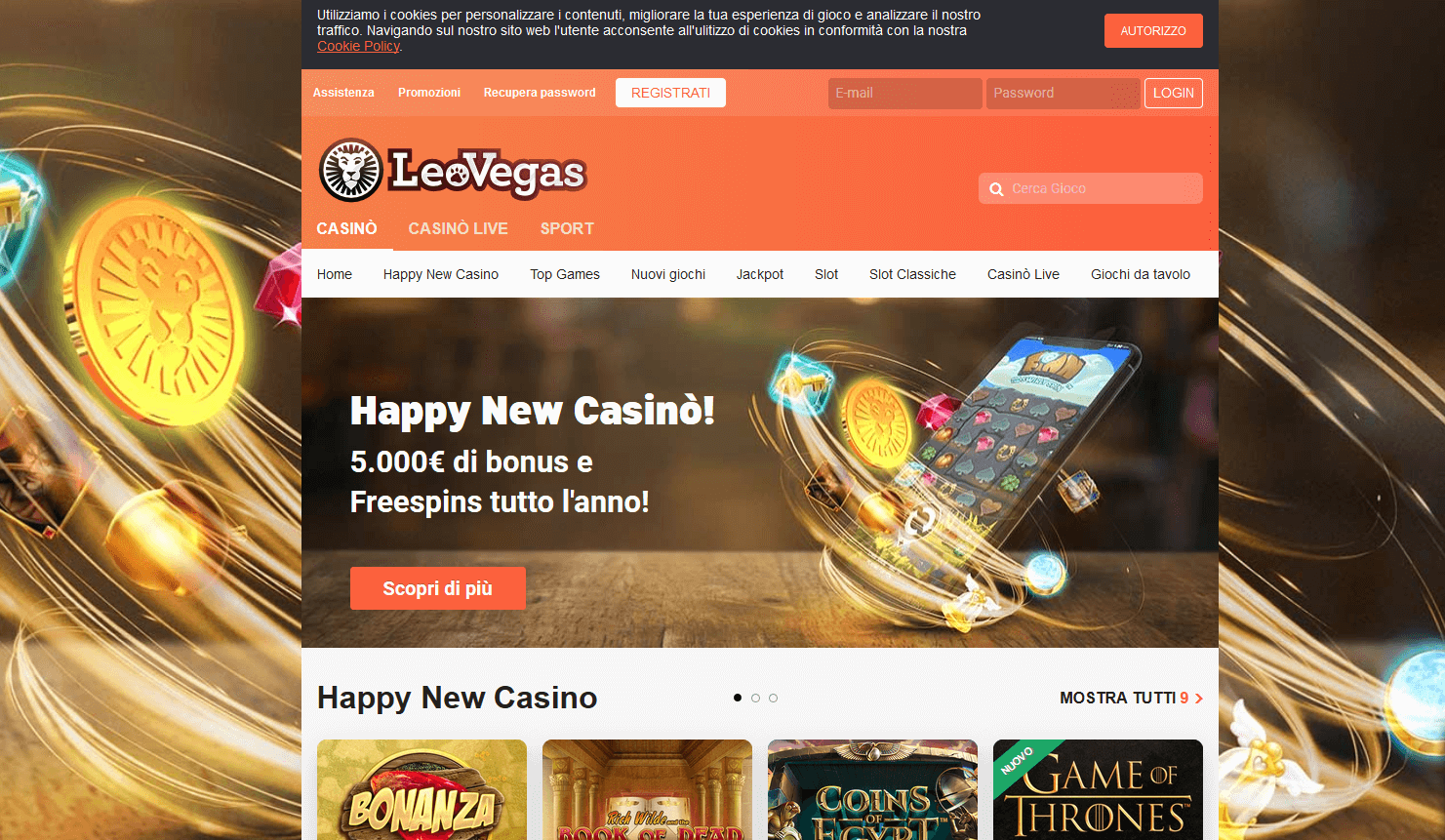
In an industry often condemned for its high-speed promotional approaches, LeoVegas Casino has forged a distinct character by putting player wellness at the utmost center of its Canadian operations https://leovegascasinoo.com/. The digital arena of Ontario and elsewhere has witnessed a wave in gaming venues, yet few have integrated responsible gambling practices as smoothly into the player journey as LeoVegas. Rather than treating safer gambling as a regulatory tick, the operator has built a proactive framework where analytics-based action meets human compassion. This analytical review dissects how LeoVegas is championing responsible gaming in Canada, analyzing the technological structure, policy guidelines, and cultural shifts that set apart its strategy from conventional companies. The brand’s commitment exceeds mere adherence, redefining what it entails to entertain responsibly in a regulated digital era.
Canada’s Regulatory Landscape and LeoVegas Compliance
Canada’s shift toward a provincially regulated iGaming framework, notably with Ontario’s open market, has demanded a higher standard of operator responsibility. LeoVegas Casino did not simply enter this ecosystem seeking profit; it embedded itself with a compliance philosophy that often exceeds the mandates set by the Alcohol and Gaming Commission of Ontario. The acquisition of a full Ontario license signified more than legal permission—it represented a contract of trust with a discerning Canadian audience. By aligning tightly with the standards of the Responsible Gambling Council, LeoVegas signals an understanding that Canadian players value institutional integrity. The operator’s refusal to operate in grey markets further cements its reputation, ensuring that every wager placed by a player from Toronto to Vancouver is backed by a strictly supervised and audited regulatory framework designed to prioritize safety over short-term acquisition.
Architecting a Digital Safe Space Through AI and Automation
The technical core of LeoVegas’s responsible gaming strategy in Canada depends heavily on proprietary artificial intelligence and machine learning algorithms that function quietly in the background. These systems do not rely only on simple deposit limits; they analyze longitudinal behavioral patterns to spot nuanced markers of harm before they turn into crises. The AI observes erratic stake sizing, increased session frequency during atypical hours, and the emotional tone of customer service interactions. When the system marks a player from Edmonton or Halifax, it initiates a friction-based intervention, such as a mandatory cool-off pop-up, rather than delaying for a manual review. This proactive, automated guardianship transforms the platform into an engaged participant in player welfare, transitioning beyond static responsible gaming tools toward a flexible safety net that mirrors the predictive policing of public health in urban environments.
Self-Exclusion Infrastructure and the Empowered Pause
LeoVegas has upgraded self-exclusion from a hidden support link into a well-integrated infrastructure within the Canadian user interface. The operator provides a layered exclusion cascade, enabling players to pick a quick 24-hour timeout, a week-long suspension, or a extended multi-month self-exclusion without facing a labyrinth of menus or subtle retention tactics. Once a player triggers the exclusion, the marketing engine ceases promptly and permanently for the specified period, preventing the contradiction of getting a bonus email during a moment of intended recovery. This regard for the “empowered pause” is unique; the platform handles the decision not as a termination of the customer relationship but as a legitimate, adult state of that relationship, keeping account status and funds while cutting all triggers, a intricate balance that few competitors in Saskatchewan or Manitoba succeed to maintain correctly.
The Reality Check Technology and Time Awareness Protocols
One of the most powerful yet subtle mechanisms deployed by LeoVegas is the mandatory Reality Check feature, which has been optimized specifically for Canadian gambling habits. This feature pauses gameplay at user-defined intervals to show a clear dossier of the session metrics, including net position, time elapsed, and amount wagered. The platform declines to allow users to disable these prompts permanently, a strict stance that eliminates the temporal dissociation commonly associated with immersive slot play. For players in fast-paced cities like Vancouver or Montreal, where a quick session can easily stretch into hours, this forced context resets the cognitive frame. By forcing a deliberate confirmation click to continue, the technology disrupts the hypnotic flow state and brings back an executive decision-making pause, converting a potentially harmful binge into a series of conscious, choice-based interactions.
Restructuring Deposit Limits as Customized Guardrails
In contrast to operators that impose inflexible, universal deposit caps, LeoVegas has redesigned its financial controls to function as customized guardrails for the Canadian market. During the registration process, players are encouraged to set mandatory deposit limits using behavioral nudges that clarify the actuarial risks of overspending without belittling the user. The platform’s algorithm then adapts these limits over time, but importantly, it enforces a 24-hour cooling period for any increase request, actively preventing the impulsive loosening of controls. This redesign is particularly relevant for high-frequency players in Ontario, where instant banking methods might otherwise allow rapid loss-chasing. By viewing the deposit limit not as a bureaucratic obstacle but as a bespoke financial wellness tool, LeoVegas instills a disciplined budgeting rhythm directly into the entertainment loop, keeping the experience anchored to the reality of disposable income management.
Humanizing the “LeoSafePlay” Digital Ecosystem
While automated systems and automated blocks form the skeleton of player protection, LeoVegas overcomes the digital detachment through a comprehensive ecosystem called LeoSafePlay. This centralized portal, available with a single click, links Canadian users to an extensive library of self-assessment questionnaires, risk profiles, and integrated links to local support bodies like ConnexOntario and GamTalk. The analytical depth of the self-evaluation tools is notable, as they do not merely provide a binary risk label but produce a nuanced visual heat map of gambling behavior, highlighting specific vectors of risk, such as chasing patterns or escapism tendencies. By enabling a clinically informed self-diagnosis within the casino lobby, LeoSafePlay clarifies the pathology of addiction. It educates the user through raw data, converting the player from a passive consumer into a self-aware, informed analyst of their own behavioral trends.
Anticipatory Customer Interaction and Allocation in Service Departments
The gap between customer service and responsible gaming intervention often produces fatal blind spots on other platforms. LeoVegas eliminates this division by employing specifically trained Player Safety Early Detection agents who work within the standard support hierarchy. These agents are not script-readers; they hold the power to lock accounts right away and start significant welfare conversations when interactions in French or English suggest cognitive dissonance or financial despair. For the Canadian demographic, where courtesy often conceals suffering, this instruction in linguistic awareness is critical. The operator’s investment in human capital secures that when a payment fails in Quebec or a withdrawal is cancelled in Alberta, an empathetic expert reads that indication. This blend of human instinct with digital surveillance creates a hybrid safety model that is significantly more durable than automated chatbots trying to decipher complex human situations.
Shifting Marketing Paradigms from Acquisition to Long-term Engagement
Perhaps the most significant element of LeoVegas’s Canadian plan is the intentional readjustment of its marketing engine away from intense high-value bonus promotion toward ongoing engagement. The operator evaluates lifetime value not through the perspective of gross gaming revenue enhancement, but through the longevity of the player relationship. Affiliate partners are strictly forbidden from targeting vulnerable groups or advertising gambling as a answer to financial difficulty. Furthermore, the platform caps wagering requirements to moderate levels, avoiding to ensnare players in the exhausting cycles of excessive bonus completion that usually cause compulsive chasing periods. This data-driven measure, which incentivizes retention duration and safe play over short-term extraction, indicates a fundamental economic reorganization. In the setting of Canada’s socially conscious market, marketing that stresses relaxed entertainment over a get-rich-quick fantasy organically creates a more balanced, and as a result more stable, customer base.
Disclosure Reports and the Ethical Responsibility Framework

Another key pillar of LeoVegas Casino’s innovative standing is its commitment to operational transparency regarding player interventions. The casino proactively collects anonymous data on its Canadian player activity data, recording the number of limit-setting notifications, self-imposed breaks, and account closures processed. While safeguarding privacy, the company leverages this extensive data to recalibrate its algorithms, steadily strengthening the