Cultural perspectives on gambling How different societies perceive luck and chance
Understanding Luck in Various Cultures
Luck is a concept that varies significantly across cultures. In Western societies, luck is often seen as a random force, something that can be influenced by chance but is fundamentally unpredictable. For instance, in countries like the United States, the notion of “good luck” is frequently associated with superstitions such as carrying a lucky charm or following specific rituals before engaging in gambling activities. These practices illustrate how people try to harness luck in the hope of influencing outcomes in games of chance.
Conversely, many Eastern cultures, such as those in China, have a more intricate relationship with luck. In Chinese society, luck is deeply intertwined with philosophical beliefs and customs. The concept of Feng Shui, which emphasizes harmony between individuals and their environment, plays a crucial role in how luck is perceived. Events like the Lunar New Year are celebrated with the intention of attracting good fortune, reflecting a collective belief in the power of luck to shape one’s destiny.
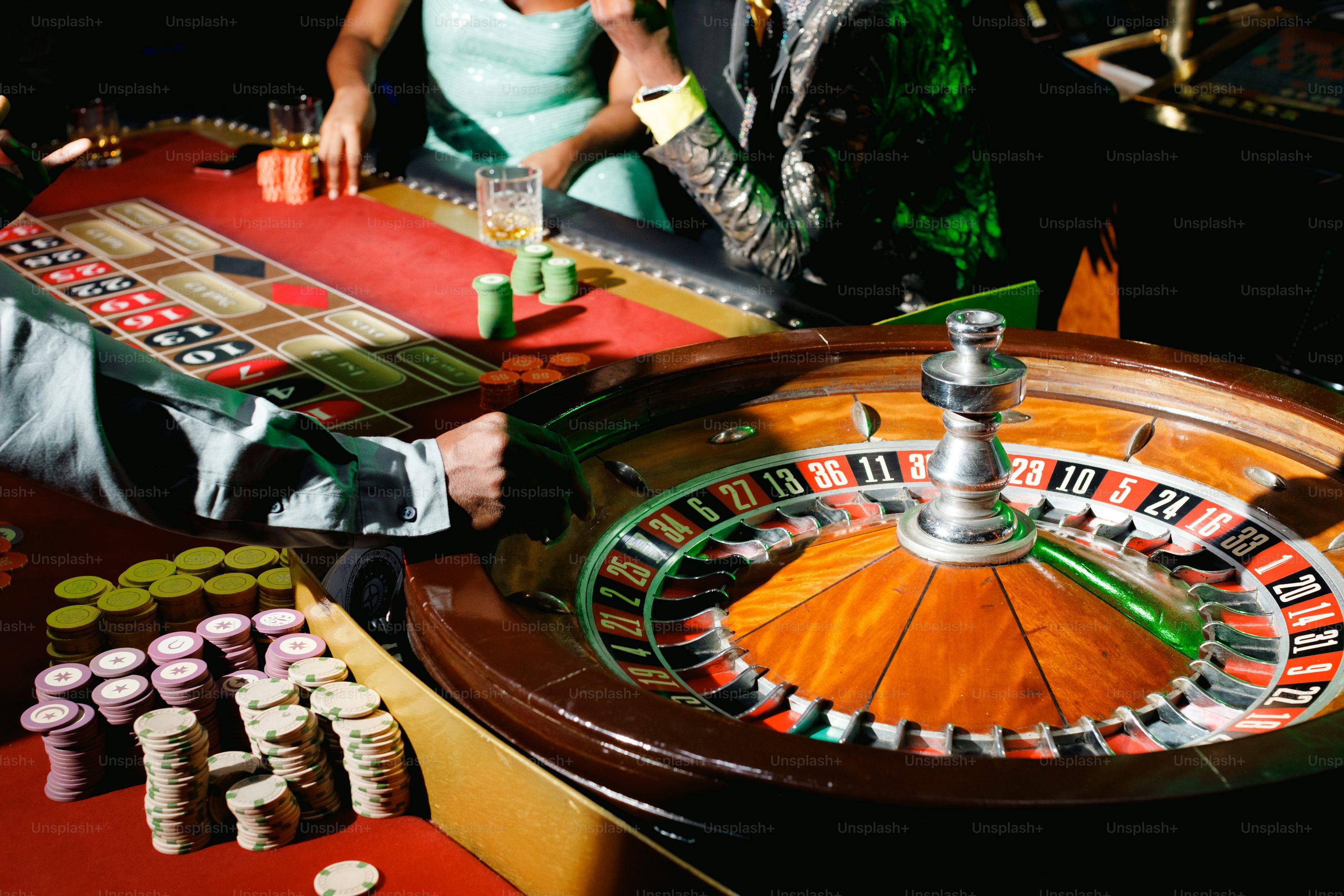
This contrast highlights how cultural narratives shape the perception of luck and chance in gambling. While Western cultures may focus more on individual actions and beliefs, Eastern perspectives often emphasize communal traditions and the environment. Understanding these differences enriches the conversation around gambling, as it reveals the psychological frameworks influencing people’s behaviors in various societies.
Chance and Fate: The Role of Beliefs
The belief in fate can significantly impact how different societies approach gambling. In societies with a strong belief in fate, gambling may be viewed not merely as a game of chance but as an inevitable outcome shaped by one’s destiny. For instance, in many Middle Eastern cultures, the concept of “Qadar,” which refers to divine predestination, influences the way people perceive their fortunes in gambling. This belief can lead to a more fatalistic attitude, where individuals may feel less compelled to engage in strategies that could alter their chances.
On the other hand, in cultures where personal agency is emphasized, such as in many Western countries, the approach to gambling tends to be more proactive. Here, individuals often believe that through skill, strategy, and sometimes sheer luck, they can influence their outcomes. This mindset is reflected in the popularity of games that require skill, such as poker, where players believe that their decisions can lead to favorable results, contrasting starkly with more fate-driven perspectives.
The dichotomy between beliefs in fate and personal agency showcases how cultural attitudes shape gambling experiences. Those with a strong belief in fate may engage in gambling more casually, seeing it as part of a larger narrative of their lives, while those focused on personal agency may approach it as a challenge to conquer. These differences in belief systems create diverse gambling landscapes around the world.
The Social Dimensions of Gambling
Gambling is not only an individual pursuit but also a social activity that can enhance relationships and foster community ties. In many cultures, gambling is a communal experience, often occurring in social settings like homes or social clubs. For instance, in parts of Italy, card games are a traditional pastime that brings family and friends together, reinforcing bonds while simultaneously engaging in friendly competition. Such gatherings can create an atmosphere of shared luck and collective enjoyment, making gambling a more enriching experience.
In contrast, some cultures view gambling more as a solitary pursuit. In societies where individualism is celebrated, people may engage in online gambling or visit casinos alone, seeking personal thrills rather than communal experiences. This shift to solitary gambling has been facilitated by technological advancements, allowing individuals to partake in gambling activities without social interaction. Such changes can influence perceptions of luck, as many individuals might rely solely on personal intuition and strategies, distancing themselves from communal luck or shared rituals.
The social dimensions of gambling highlight how various cultures prioritize community engagement or individual expression. While some cultures see gambling as a bonding experience, others may treat it as a personal challenge. These contrasting social views play a significant role in shaping gambling behaviors and perceptions of luck and chance.
Gambling Regulations and Cultural Attitudes
How a culture regulates gambling can reveal much about its attitudes toward luck and chance. In some countries, such as those in Scandinavia, gambling is closely regulated and often viewed as a socially acceptable form of entertainment. This acceptance stems from a cultural belief in fairness and responsible gaming, reflecting a collective understanding of luck as an element that should be enjoyed within safe parameters. Regulations often include provisions to support responsible gambling, indicating a cultural acknowledgment of the potential risks associated with chance.
Conversely, in more conservative cultures, gambling may be heavily stigmatized or outright prohibited. For example, many Middle Eastern nations have stringent laws against gambling, often viewing it as morally questionable. This perspective is deeply rooted in religious beliefs and cultural traditions, which can create a complicated relationship with the concepts of luck and chance. In such societies, gambling may be seen as a form of escapism or a reckless pursuit, further reinforcing negative perceptions surrounding the practice.
The relationship between gambling regulations and cultural attitudes serves as a lens through which we can understand broader societal values. Regulations that promote responsible gambling reflect a cultural belief in the importance of luck as a recreational aspect, while prohibitive measures showcase a cautionary approach to chance. These differences underline how cultural context shapes the landscape of gambling worldwide.
Golisimo Casino: A Cultural Perspective on Online Gambling
In today’s digital age, online platforms like offer unique insights into how cultural perspectives on gambling intersect with technological advancements. caters to a diverse clientele, acknowledging the cultural nuances that influence player behavior. With a library of over 3,000 games, it provides various entertainment options that reflect the preferences and beliefs of its players. This adaptability highlights the casino’s understanding of the importance of cultural perspectives on gambling.
Moreover, integrates local banking methods and cryptocurrencies, recognizing the importance of convenience and security in modern gambling. This approach not only appeals to a broad audience but also respects cultural preferences regarding financial transactions. By doing so, creates an inclusive environment that welcomes players from different backgrounds, reflecting a modern understanding of gambling as a multifaceted cultural activity.
Ultimately, exemplifies how online gambling can be shaped by cultural perspectives on luck and chance. By embracing diversity and offering tailored experiences, the platform not only caters to the enjoyment of gambling but also respects the cultural values that influence player behavior. This makes it a noteworthy example of how the gambling landscape continues to evolve in response to cultural dynamics.