The historical evolution of gambling tracing its roots and impacts on society
Origins of Gambling
Gambling has ancient roots that date back thousands of years, with evidence suggesting that it was practiced in various cultures. The earliest known form of gambling can be traced to ancient China, where it is believed that games of chance involving tiles emerged as early as 2300 BC. Similarly, archeological findings in Mesopotamia reveal the use of dice made from animal bones, indicating that early societies found ways to engage in wagering for entertainment and economic purposes. Today, you can find a broad range of online gaming options, such as at https://queen-plays.com/, which further showcases the evolution of this practice.

As civilizations evolved, so did the methods of gambling. Ancient Egyptians are known to have engaged in various games of chance, including betting on outcomes of board games. The spread of these activities often correlated with the growth of trade and commerce, as people sought to capitalize on their fortunes. Notably, the Romans incorporated gambling into their culture with more organized betting activities surrounding gladiatorial games and chariot races, laying the groundwork for modern gambling practices.
The diverse expressions of gambling across cultures reflect not only entertainment but also societal values. For instance, in many ancient societies, gambling was viewed as a means to test one’s luck and fortune, often imbued with religious or spiritual significance. This integration of belief and chance played a crucial role in how gambling was accepted and regulated in society, influencing its evolution over millennia.
The Rise of Formal Gambling Institutions
The emergence of formal gambling institutions can be traced to the Renaissance period, particularly in Europe. This era saw the establishment of the first legal gambling houses, particularly in Italy. The first public gambling house opened in Venice in the early 1600s, setting a precedent for regulated gaming. These establishments were designed to provide a safer environment for gamblers while also generating revenue for governments through taxes.
As gambling gained popularity, various forms of games became standardized. The creation of rules and regulations transformed gambling from informal, underground activities into organized events, enabling a greater variety of games, including lotteries and betting on sports. With the establishment of official lotteries in the 16th century, governments recognized the potential for harnessing gambling as a means of funding public projects, such as infrastructure and education.
By the 19th century, gambling had expanded beyond Europe, reaching North America and other parts of the world. The establishment of casinos, particularly in places like Las Vegas and Atlantic City, became iconic symbols of the gambling culture. These developments not only fostered economic growth but also led to the emergence of gambling as a significant aspect of entertainment, shaping societal norms and behaviors around leisure and risk-taking.
Social Impacts of Gambling
The social implications of gambling are multifaceted, with both positive and negative consequences evident throughout history. On one hand, gambling has often been associated with recreation and social bonding, providing communities with a shared experience. Events such as horse races, poker tournaments, and casino nights can foster camaraderie among participants, encouraging interaction and community spirit.
Conversely, gambling can also lead to significant social challenges. The rise of addiction has become a major concern, with many individuals experiencing detrimental effects on their personal lives, relationships, and financial stability due to compulsive gambling. This dichotomy highlights the need for responsible gambling initiatives and effective regulatory measures to mitigate harmful behaviors while still allowing for enjoyment.
Furthermore, the gambling industry has increasingly become a target for scrutiny, as issues of fairness, accessibility, and social equity arise. Advocates argue for better protections for vulnerable populations while also highlighting the need for transparent practices within the industry. As gambling continues to evolve, its impact on society remains a topic of critical importance, necessitating ongoing dialogue and reform.
Modern Gambling in the Digital Age
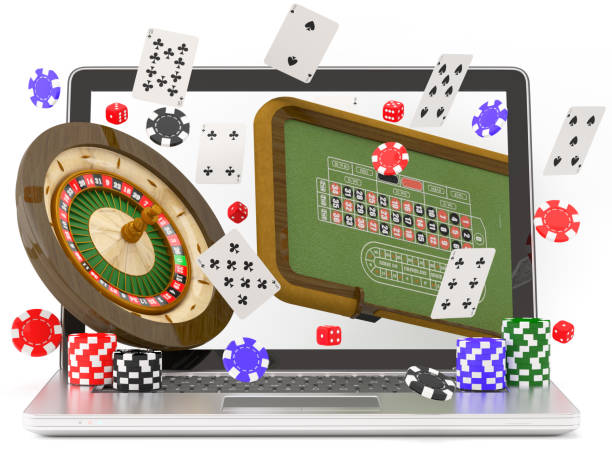
With the advent of technology, the landscape of gambling has dramatically changed, particularly with the rise of online casinos and mobile gaming. The internet has made gambling more accessible than ever, allowing players to engage in a variety of games from the comfort of their homes. This shift has led to an explosion of online gaming platforms, which offer everything from traditional table games to innovative slots.
The digital age has also transformed how gambling is marketed and regulated. Online platforms are now able to reach global audiences, necessitating international cooperation on regulatory frameworks. The challenges of ensuring fair play and responsible gambling practices in a virtual environment have led to the establishment of various watchdog organizations and regulatory bodies aimed at protecting consumers.
Moreover, the integration of new technologies, such as artificial intelligence and blockchain, has begun to revolutionize the gambling industry. These innovations promise to enhance transparency, security, and personalization for players, while also opening up new avenues for engaging with the gambling experience. As society adapts to these changes, the future of gambling is poised for further evolution, with potential impacts that could reshape social and economic structures.
QueenPlay Casino: A Modern Gaming Experience
QueenPlay Casino exemplifies the evolution of gambling in the digital era, offering a premium online gaming platform designed specifically for players in the UK. With a wide selection of games, including slots, table games, and live dealer options, it caters to both novice and experienced gamblers. The user-friendly interface and quick payment processes highlight the commitment to enhancing the player experience while ensuring convenience and security.
New players at QueenPlay are welcomed with generous bonuses, including free spins, creating an inviting atmosphere for those exploring the world of online gambling. The casino’s dedication to fairness and variety allows seasoned gamers to enjoy a diverse selection of games that meet their interests and preferences. Additionally, the platform’s 24/7 customer support reflects a commitment to providing assistance and maintaining trust with players.
In this modern landscape, QueenPlay Casino stands out as an example of how the historical evolution of gambling has adapted to meet contemporary demands while still delivering the excitement and engagement that players seek. As online gaming continues to grow, platforms like QueenPlay are at the forefront, shaping the future of gambling while recognizing its rich history and societal impacts.